Giant Blue Morpho
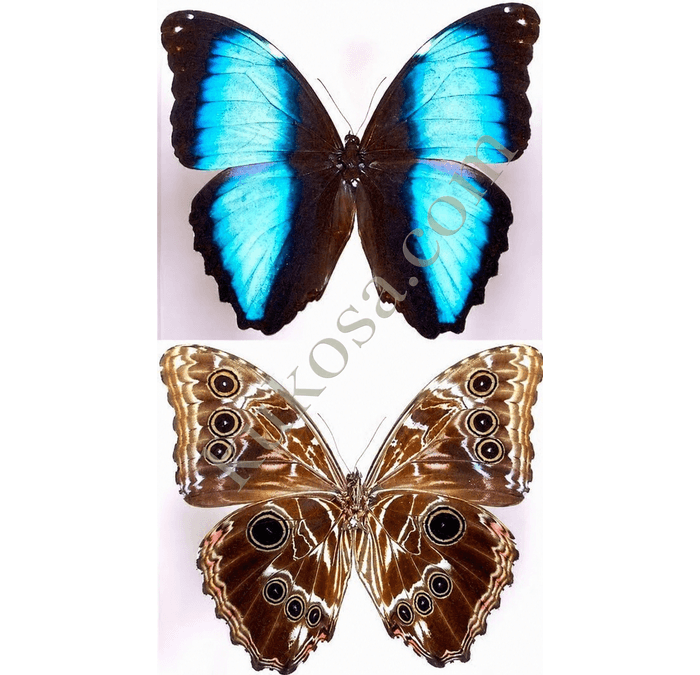
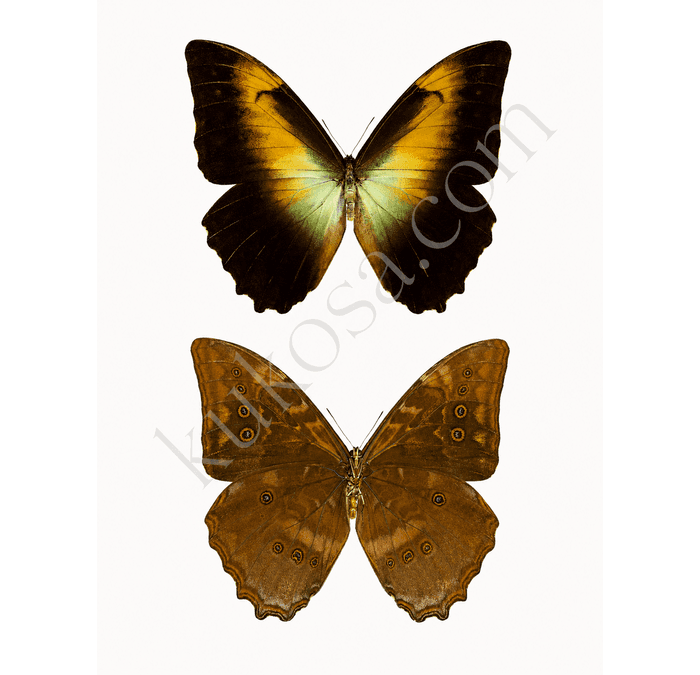
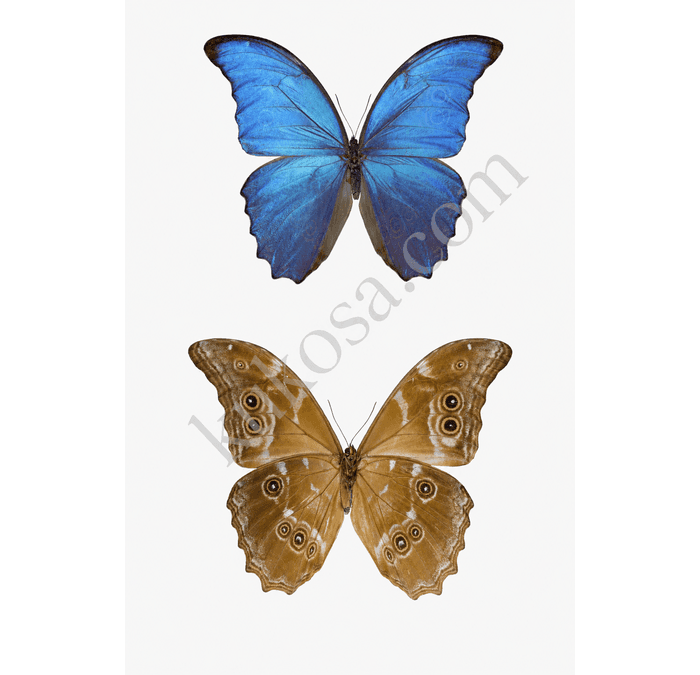
Giant Blue Morpho — Morpho didius
One of the largest and most impressive Morphos with an incredible wingspan.
All butterflies are preserved dried specimens. No live animals are sold.
!Shop now
Currently out of stock. Check back soon.
About this species
Morpho didius is the giant of the Morpho family. With its massive wingspan and deep metallic blue iridescence, it is an unmistakable sight in the Peruvian jungle. It is a powerful flyer and extremely territorially active during the midday sun.
Scientific Importance & Ecology
Role in Ecosystem
As members of the Morphidae family, these butterflies are vital pollinators. Their lifecycle contributes to the health of the Amazonian rainforestby ensuring the reproduction of native flora.
Camouflage & Defense
The patterns on their wings are not just for beauty; they serve as complex defense mechanisms against predators in the dense Peruvian vegetation, showcasing millions of years of evolution.
Preservation & Display Care
Lighting
Avoid direct sunlight to prevent wing color fading over time.
Humidity
Keep in a dry environment to ensure long-term structural integrity.
Mounting
Best displayed in UV-protected glass frames or shadow boxes.
Habitat
Tropical moist forests across the Amazonian departments of Peru, usually found between 0m and 1000m altitude.
Sustainability First
At Kukosa, we only work with sustainable butterfly farms in Peru. Each purchase supports local conservation efforts and rural livelihoods.
Collector's Note
Each specimen is a unique individual. Minor natural variations in size and pattern may occur, adding to the authenticity of your personal collection.